
Six habits that matter most
Heart disease, stroke and type 2 diabetes share most of their causes — so the same everyday habits lower all three.
-
01
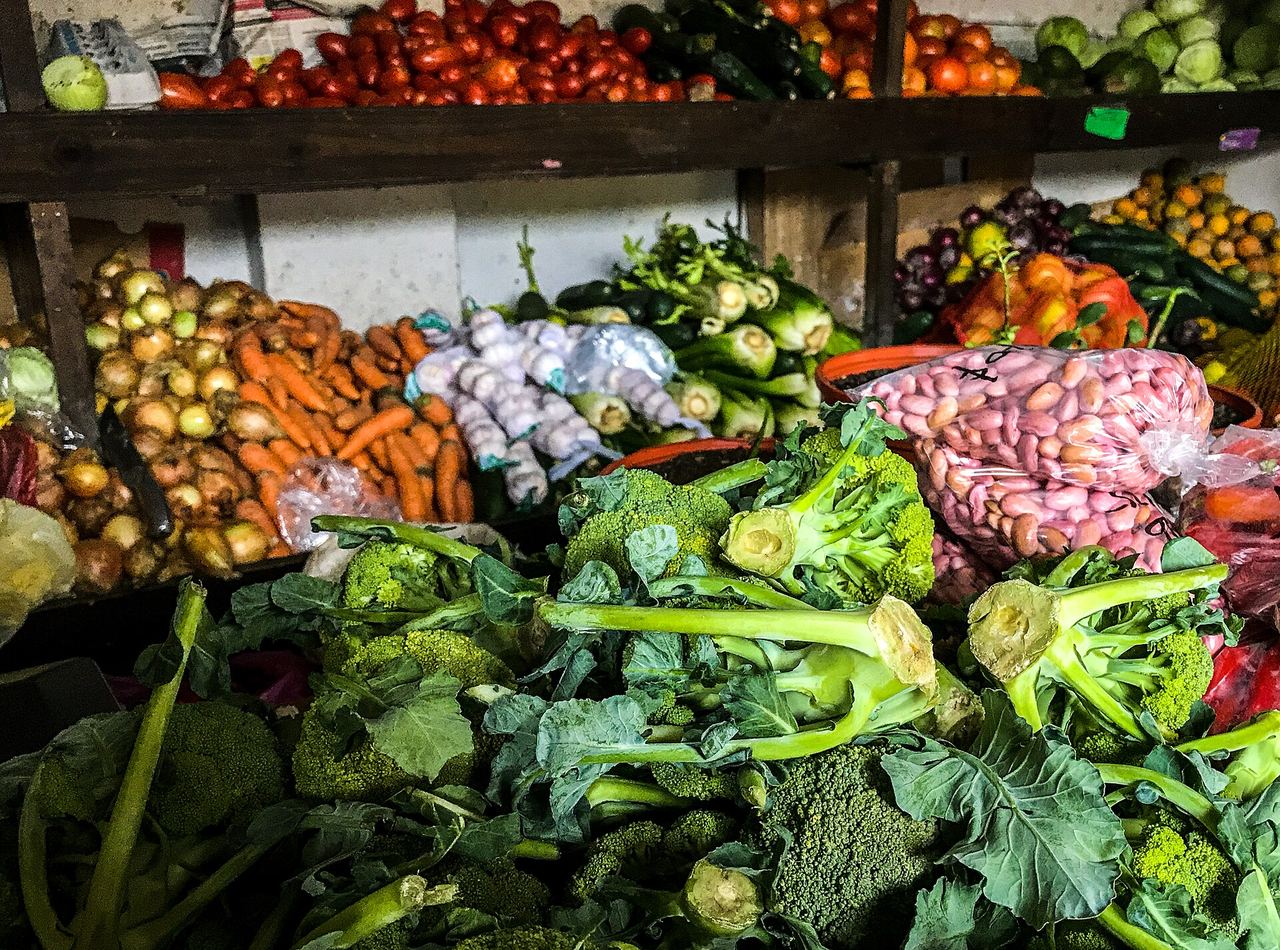
Eat more plants
Build meals around vegetables, fruit, beans, nuts and whole grains. Cut back on processed meat, salt and sugary drinks.
- Half your plate vegetables or fruit
- Less than 5 g of salt a day (about a teaspoon)
- Water instead of sugary drinks
Helps lower: Heart diseaseStrokeType 2 diabetes
-

02
Move most days
At least 150 minutes of moderate activity a week — brisk walking, cycling, swimming — plus muscle strengthening twice a week.
- Break it into 10-minute bouts
- Take the stairs and walk short trips
- Stand up every 30 minutes
Helps lower: Heart diseaseStrokeType 2 diabetes
-
03
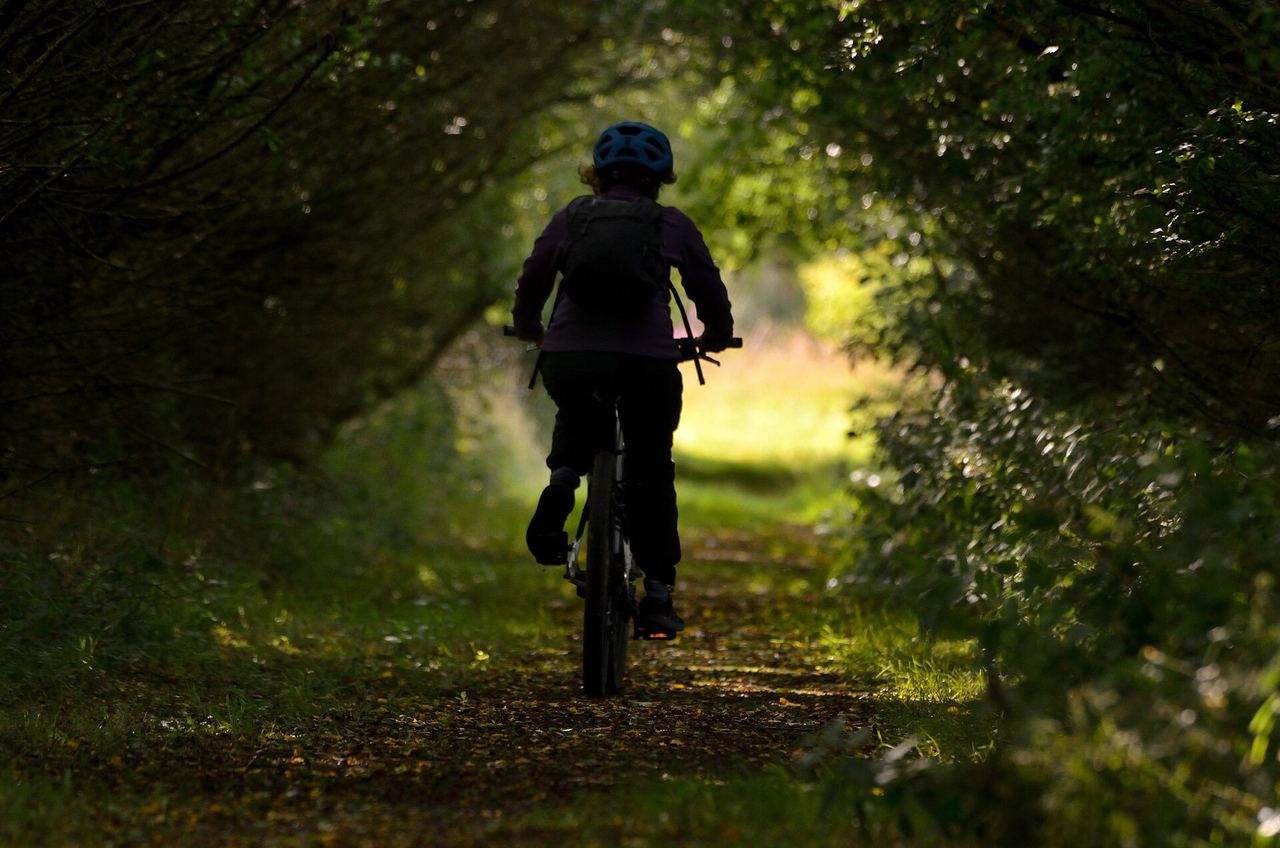
Stop smoking
Quitting is the single most effective change for heart and stroke risk, at any age. Risk starts dropping within a year.
- Set a quit date
- Nicotine replacement roughly doubles success
- Free quit lines and apps can help
Helps lower: Heart diseaseStroke
-
04
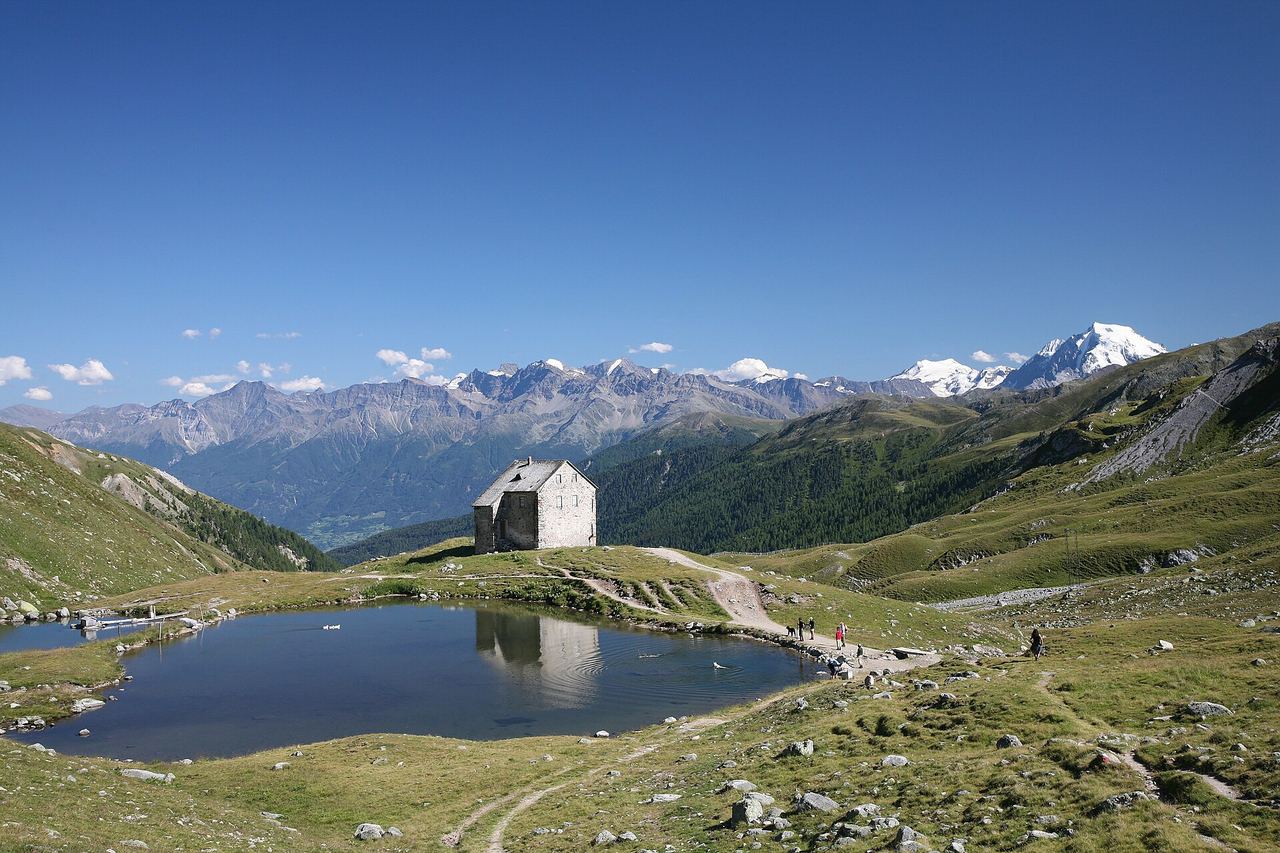
Sleep 7–9 hours
Short or poor sleep raises blood pressure and makes the body less sensitive to insulin.
- Keep a regular bedtime
- Screens off an hour before bed
- Ask about loud snoring — it can signal sleep apnoea
Helps lower: Heart diseaseType 2 diabetes
-

05
Manage stress
Long-term stress can push up blood pressure and nudge people towards smoking, drinking and poor sleep.
- Try 10 minutes of slow breathing or meditation
- Spend time outdoors
- Stay connected with friends and family
Helps lower: Heart diseaseStroke
-
06
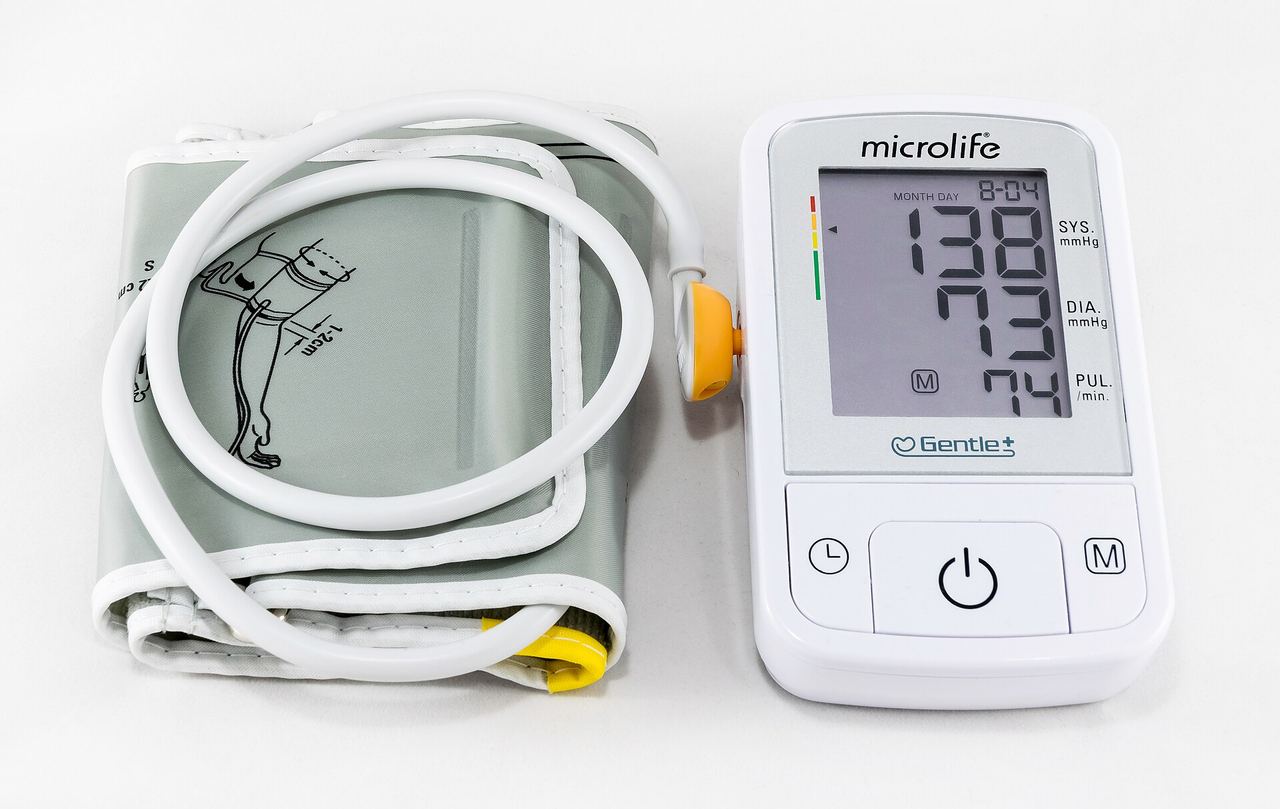
Know your numbers
Blood pressure, cholesterol, blood sugar and weight are silent until they cause harm. Checking them is the only way to know.
- Blood pressure at least once a year
- Cholesterol every 4–6 years, or as advised
- Glucose or HbA1c from 35, earlier if overweight
Helps lower: Heart diseaseStrokeType 2 diabetes


Find out which habit would help you most.
Your report shows which of your numbers matter most, and the what-if sliders show what a change would do.
Start your check